
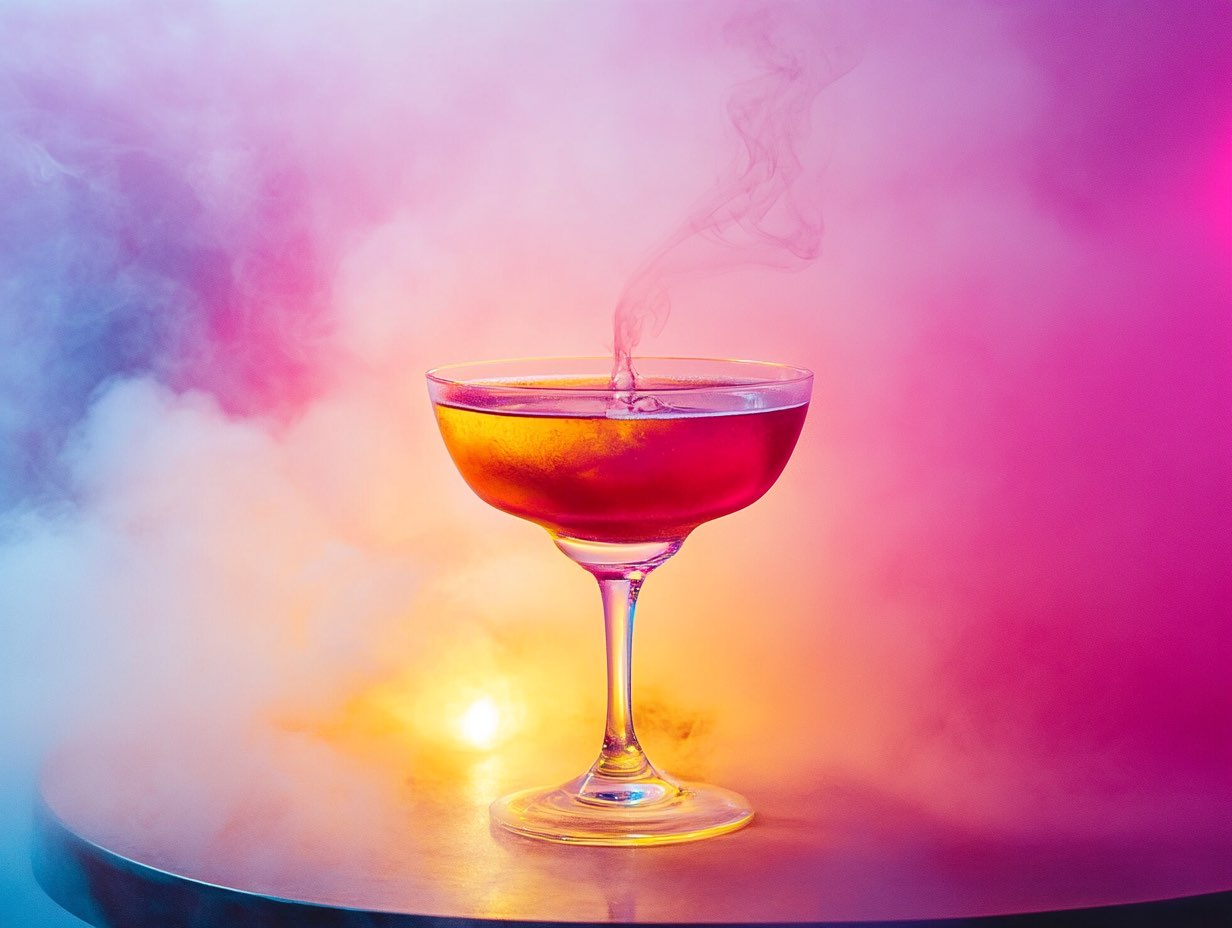
A popular social drink, cocktails combine diverse elements and ingredients to create a delicious and aesthetically pleasing beverage. Cocktails usual contains alcohol combined with other ingredients such as flavoured syrups, bitters, fruit juices or tonic water. How many and which ingredients are included, depend on the cocktail. These stunning and scrumptious drinks are usually served with appetisers or the first course of a meal. Over the years, cocktails have evolved, with major trends and shifts in cocktail culture throughout the eras, to become the modern-day cocktails we know, love and enjoy today.
Introduction to Cocktail History
Some people argue that in order for a drink to be considered a cocktail, it must contain alcohol, whereas others believe that a drink is only defined as a cocktail if it includes a minimum of three ingredients. Cocktails became a popular social drink for a number of reasons, from their early beginnings to the prohibition, their popularity bolstered by glamorous Hollywood films and notable writers, not to mention the infamous cocktail parties, a term created by Julius S. Walsh Jr. of St. Louis, Missouri in 1917. Cocktail culture is incredibly important because it is a complex world full of history, tradition and creativity, complete with a diversity of options and an abundance of innovation, they are hand-made, a pleasure to drink and provide a social time of relaxation and reflection.
Early Beginnings (1800s to Prohibition Era)
The origins of cocktails can be traced back to the 18th century, which is when the first reference to the word ‘cocktail’ can be seen in print. During this time, cocktails were a simply a combination of water, sugar, spirits, and bitters which were served for patrons as a morning pick-me-up in American taverns. Typical 18th century cocktails include: the Old Fashioned, which is one of the first documented cocktails dating back to 1806, the Sazerac which was invented in 1838 in New Orleans, and the Martini which originated in San Francisco in the 1860’s.
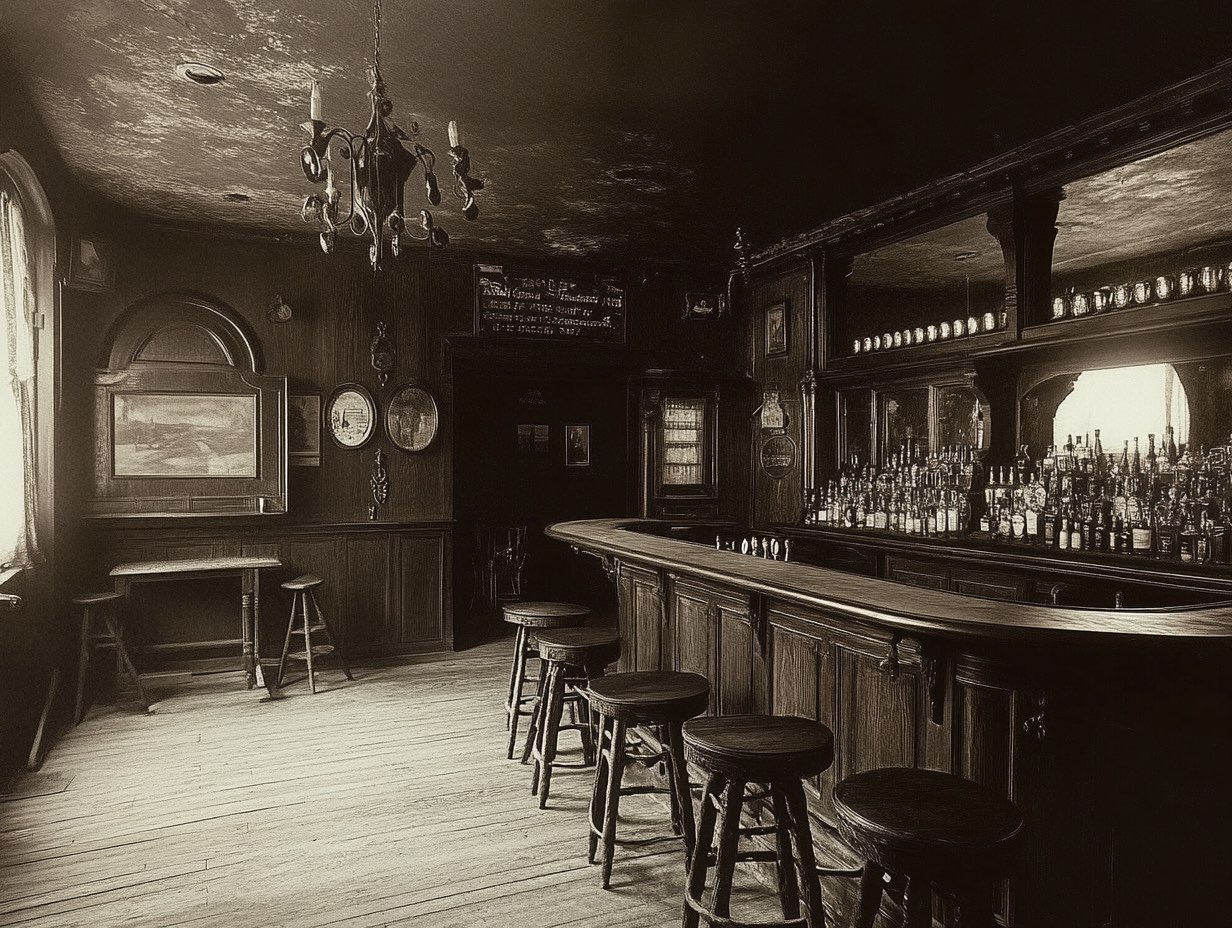
The prohibition era in the United States created a significant challenge for the cocktail industry. Between 1920 and 1933 the manufacture, transportation and sale of alcohol was illegal, bars and taverns were forced to close. This led to the rise of speakeasies, which were illegal establishments that sold alcohol, and it was at these popular hidden spots that numerous innovative and creative cocktails were created. Bartenders were forced to be creative with their drinks to hide the taste of the poor-quality alcohol which was often made in unsanitary conditions. Using methods such as dilution, adding fruits and the use of strong-tasting syrups masked the taste of the alcohol, creating new cocktails like the Sidecar, the Sour, and the Daisy.
Mid-Century Cocktail Boom (1940s–1960s)
Following the prohibition, once the sale of alcohol was legal again and bars were allowed to re-open, the cocktail culture saw a resurgence. The demand for cocktails rose and the cocktail industry began to thrive, evolving into a more sophisticated and refined option. High-quality ingredients, premium spirits, fresh fruit and juices, were used and classic cocktails like the Old Fashioned, Martini and Manhattan became incredibly popular. Another trend that arose after the prohibition was the tiki culture, with Tiki bars and innovative tropical-themed cocktails being created. These cocktails used exotic ingredients such as pineapple juice, coconut cream and rum, served in decorative tiki-style cups. This marked the beginning of a new era, bartending began to be seen as a professional skill, bartending schools, organisations and competitions began to appear and the profession of bartending became a respected field.
1970s to 1990s: Decline and Rise of Mixology
The 1970’s and 1980’s saw a decline in the art of cocktail creation. With the rise in pre-packaged, sugary mixes and increased use of artificial ingredients, the quality and craftmanship of cocktails saw a massive decline. Classic recipes were altered to become unrecognisable; some classic recipes were lost completely and cocktail craftmanship was replaced with speed and convenience. Fortunately, cocktails experience a revival in the 1990’s. A new generation of bartenders arose and began to rediscover and revive classic recipes, emphasising traditional techniques and quality ingredients. This led to a rise in mixology, with the opening of new cocktail bars, new cocktail books, and the influence of new culinary trends, such as artisanal products.
Modern Day Trends
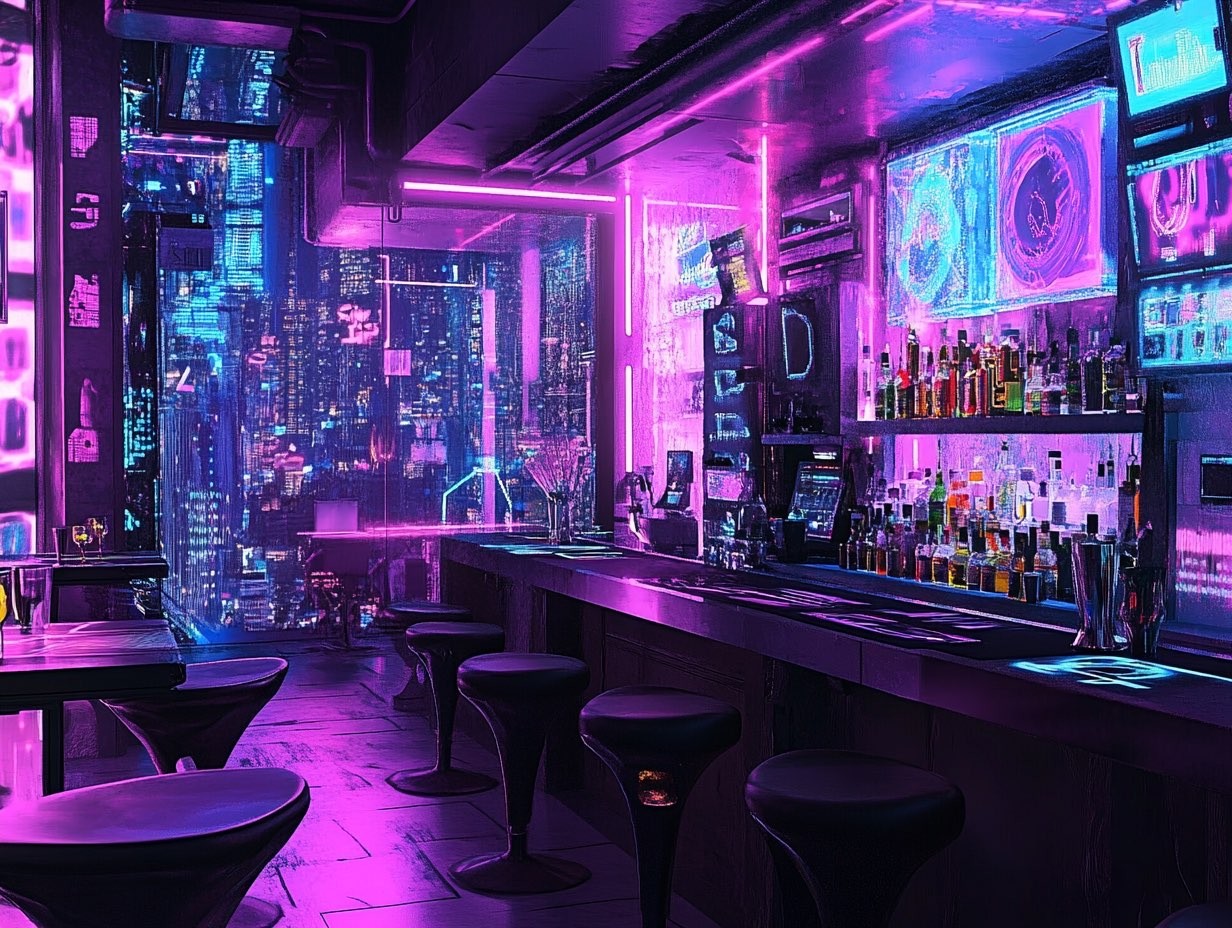
The start of the 21st century saw another significant transformation in cocktail creation. Not only did we see a resurgence of classic cocktails, but we also saw unique and complex drinks, with the use of molecular mixology and obscure and high-quality sprits, such as rare liqueurs and small batch gin, as well as hers and spices. We also saw a range of new mixology techniques, such as barrel-ageing and smoking. Bartenders started to focus on locally-sourced and organic ingredients while also reducing waste in operations. This led to the emergence of ‘zero-waste’ cocktails, where all parts of the ingredient was used to create the cocktail, for example, pulp from squeezed citrus was used to make syrup. Another trend to arise in the 21st century was the re-emergence of new speakeasy style bars. Modelled after the original establishments created during the prohibition, these innovate bars feature discreet entrances, a comfortable and inviting atmosphere and classic cocktails, keeping up with and even shaping new trends in cocktail creation. Additionally, this era saw a rise in non-alcoholic cocktails, including mocktails and shrubs.
Conclusion: The Future of Cocktails
The future of cocktails is set to be shaped by numerous trends and innovations including the use of sustainability and technology, as well as a continued emphasis on quality and creativity. Bartenders will continue to find new ways to reduce waste and make environmentally friendly choices, using local ingredients and re-purposing products. Meanwhile technology could see the introduction of automated cocktail machines, augmented reality experiences and digital menus, along with equipment that improves the appearance of cocktails and provides precise measurements and consistent quality.
End with a forward-looking statement on what the future of cocktail culture might hold, perhaps relating it back to what your bar is doing today.